It's so easy to get frustrated when children have tantrums or act out. Emotions are such a huge part of our lives! Why would we think that emotions play any less of a part in a child's life? I'll give you a hint-they don't! As adults we have days where we don't want to do what we've been asked to do or days when we just want to cry, but we've learned that is not appropriate and we've learned alternate coping strategies. This is where emotion coaching comes into play.
The idea of emotion coaching comes mostly from a man named Dr. John Gottman. Dr. Gottman has done lots of research on this theory and wrote a really good book called Raising an Emotionally Intelligent Child. In this book, he discusses the 5 essential steps to emotion coaching:

Emotion coaching in practice! ^^^
This woman in the video compares the emotion coaching process to a more typical de-escalation strategy that may be more familiar to some people.
Here is a breakdown of the emotion coaching steps!
Step 1: Be aware of your child's emotions
Being aware of your child's emotions requires you to be a good listener. Being a good listener means that you eliminate distractions in your life. You have to be aware of how your child's body language changes along with their emotions. The more time you spend with someone the easier it will be to be aware of them and how they are feeling.
Step 2: Recognize emotion as an opportunity for connection or teaching
Emotion can bring about such a great opportunity to connect with your children and to build a foundation for a stronger relationship.
According to Ellie Lisita who writes for the Gottman Institute, "Rather than seeing negative expressions of emotion as a problem that needs to be 'dealt with' or 'fixed,' or even as the result of some kind of parental incompetence, the realization that such moments can be used to teach your child may come as a huge relief."
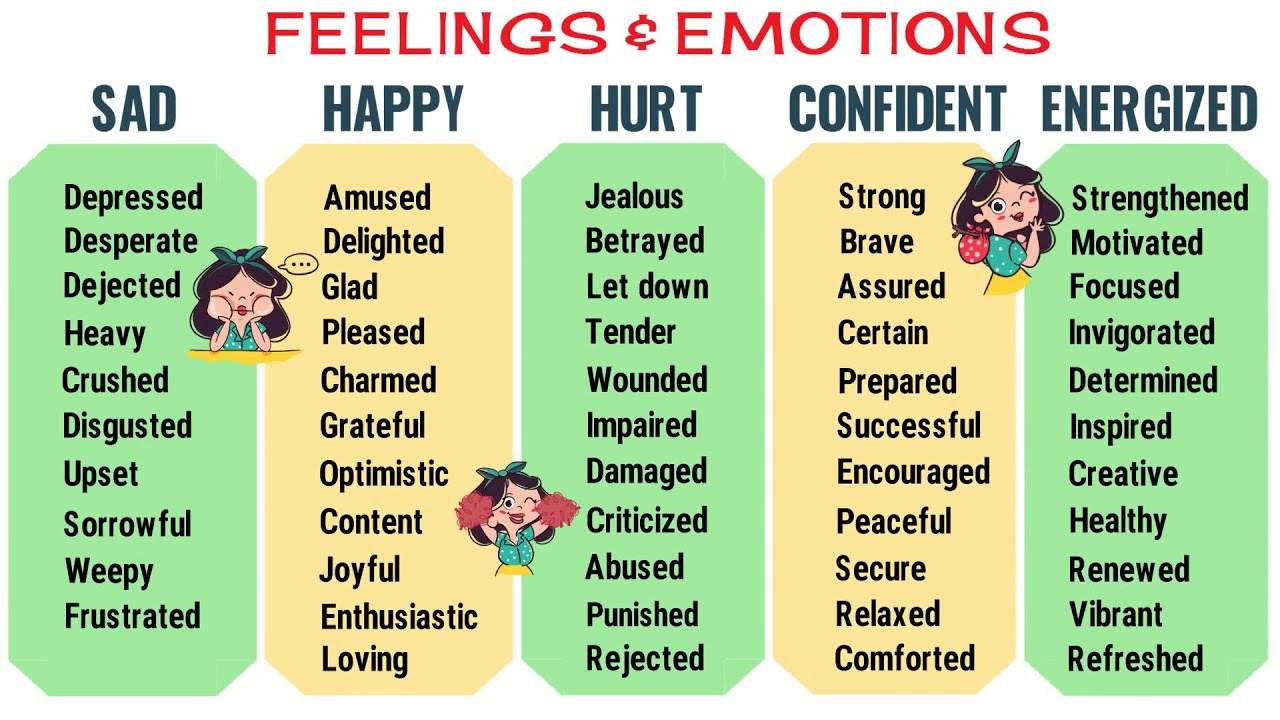
Step 3: Help your child verbally label emotions
Children may not know how to communicate to you what they are feeling. It's your job as an adult in their life to help them build the vocabulary and knowledge of how to communicate those things. You can do that by making sure to express your own emotion and describe it in detail. Reading books where the characters have strong emotions can be helpful in helping a child to not feel alone in their emotions.
Step 4: Communicate empathy and understanding
Make sure that your child doesn't feel isolated or alone in their emotions. Every child just wants to be understood. Empathy is the ability to not only understand but share another person's emotions. Use these moments to also teach your child how to be empathetic towards others as well.
Step 5: Set limits and problem solve
Setting limits may look like teaching children appropriate ways to express emotion (ie. they may not be able to hit someone they are angry with but they can verbally let them know). It may be helpful to have a child create a safe cool down space for when they are feeling big emotions or need some time to think. Help them make lists of things that can help them in difficult situations and keep that list in their cool down zone! A cool down zone is different than the more traditional idea of timeout because a child can choose to go to a cool down zone. This is something that children have helped establish so it has methods that they know will help them to cool down.
This is an example of what it may look like in a classroom. This sheet can be good because it gives visuals and a place to begin the discussion when a child is ready. You probably also want to have a list of emotions (for older children) or visual representations of emotions (for younger children) to help them build their emotion vocabulary.

^^ This article has some great ideas of things to add to your calm down corner!
Emotion coaching is something that you'll learn over time so don't be afraid to practice and know that you won't be perfect the first time! I know your children will appreciate your effort in the long run. As we grow to hopefully be a more empathetic generation, we will be able to be kinder and wiser.
Sources:
CBC Kids. (2017, December 8). Small Talk | Emotions | CBC Kids [Video]. Youtube. https://www.youtube.com/watch?v=j5GzNh-G88Y
Kimochis Kate. (2012, April 18). Dr. John Gottman & Dr. Julie Gottman Discuss Tools for Parenting with Emotion Coaching [Video]. Youtube. https://www.youtube.com/watch?v=z3uPPEtyX_I
Lisitsa, E. (2017, February 20). Emotion Coaching Step 2: Seeing Expressions of Emotion as Opportunities for Teaching and Intimacy. Retrieved October 22, 2020, from https://www.gottman.com/blog/emotion-coaching-step-2-seeing-expressions-of-emotion-as-opportunities-for-teaching-and-intimacy/
Lisitsa, E. (2018, August 15). An Introduction to Emotion Coaching. Retrieved October 22, 2020, from https://www.gottman.com/blog/an-introduction-to-emotion-coaching/
NC 4-H Healthy Living. (2019, October 14). What is Emotion Coaching? [Video]. Youtube. https://www.youtube.com/watch?v=FrnvjJDHbg4&t=1s
Comments
Post a Comment